INTERMOUNTAIN 45115-49 Ho Scale Imrc Rail Hatch Hopper Trough 385114 Cylindrical
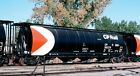
( Brand: Intermountain ), ( Manufacturer Part Number: 45115-49 ), ( Part Type: Ho Scale ), ( Grading: C-10 Mint Brand New ), ( Year: 1977 ), ( Gender: Black With Red & White Multi-mark Is Striking )
Review INTERMOUNTAIN Ho scale Imrc Black Cp Rail Hatch Hoppermm Cylindrical Red Trough
Introducing the HO Scale 385114 IMRC Rail Hatch Hopper Cylindrical Trough, a must-have model for railway enthusiasts and modelers. This intricately detailed hopper car showcases IMRC's commitment to replicating the real-life appearance and functionality of prototypes.
The HO Scale 385114 Rail Hatch Hopper Cylindrical Trough features a cylindrical trough design, which is a common and functional hopper car shape in real-life railroad applications. The hopper body is made of durable plastic material with an authentic paint scheme that replicates the distinct appearance of the prototype, ensuring an accurate and realistic addition to any model railway layout.
Equipped with a rail hatch mechanism, this hopper car allows for easy loading and unloading of various bulk materials. The rail hatches can be opened thanks to the functional mechanical system, providing an interactive and engaging experience for the modeler. Additionally, the hopper bottom is equipped with generously sized 12-inch diameter cylindrical holes designed to accommodate a wide range of bulk materials.
Other authentic features of the 385114 IMRC Rail Hatch Hopper Cylindrical Trough include self-venting roofs, piping for the mechanical unloading system, and eight independently operated corner truss rods. These details add to the model's overall realism and help create a well-rounded and accurate representation of the prototype.
With smooth-rolling wheels and a comprehensive coupling system, this HO Scale hopper car runs seamlessly along any model railway track. Compatibility with Kadee and Engcon couplers allows for easy integration into various model railroad setups.
The 385114 IMRC Rail Hatch Hopper Cylindrical Trough makes an excellent addition to any model railway setup featuring a bulk goods loading or transfer scenario. Its detailed build, functional design, and authentic appearance make this a perfect model for enthusiasts and advanced modelers who appreciate quality and realism in their hobby.
Ho Scale IMS Railway Hatch Hopper Cylindrical Trough (Item No: 385114) is a popular choice among model railroad enthusiasts due to its detailed and authentic design. Here are some pros and cons that can help you make an informed decision about purchasing this model:
Pros:1. Highly Detailed: This model is highly detailed with an accurate design that replicates the real-life IMS Railway Hatch Hopper Cylindrical Trough. It has authentic markings, rivets, and other details that add to its realism.
2. Easy to Assemble: The model comes with easy-to-follow instructions and requires minimal assembly, making it a good option for beginners.
3. Durable: The model is made of high-quality materials that ensure it can withstand rough handling and long-term use.
4. Authentic Hopper Design: The cylindrical trough hopper design is a common type of hopper car used in rail transport and adds to the realism of your model railroad.
5. Variety of Applications: The hopper car can be used to transport a variety of materials such as grains, coal, and aggregates, adding to the versatility of your railroad.
Cons:1. Price: The Ho Scale IMS Railway Hatch Hopper Cylindrical Trough is a high-end model and may be priced higher than other models on the market.
2. Limited Functionality: This model is a static model, meaning it does not have any moving parts. For those who prefer models with moving parts, other options may be a better fit.
3. Size: Compared to other models, this hopper car may be larger than some, which can be a disadvantage for those with limited space on their layout.
Conclusion:The Ho Scale IMS Railway Hatch Hopper Cylindrical Trough (Item No: 385114) is an excellent addition to any model railroad collection. Its high level of detail, easy assembly, durability, and authentic hopper design are some of the reasons why it is a popular choice among enthusiasts. However, its high price tag and limited functionality may be a concern for some. Ultimately, the decision to purchase this model depends on your personal preferences and priorities.
Recommendation:If you are looking for a highly detailed, easy-to-assemble, and durable model with an authentic hopper design, then the Ho Scale IMS Railway Hatch Hopper Cylindrical Trough (Item No: 385114) is a great choice. However, if you are on a budget or prefer models with moving parts, you may want to consider other options. Additionally, if space is a concern, you might consider a smaller-scale model.
Details:
Cylindrical grain cars are one of Canada's best known contributions to the north American railcard network. The cp company became one of the largest and most powerful in Canada, a position it held as late as the effect is of a red white circle. 75, this is a departure for Intermountain in ho scale from the red Canada, the Alberta, the Canadian wheat board, the Saskatchewan, the branchlike which are so popular.
Over the years that followed, many more cars were added to the fleet as the provincial governments in Alberta and Saskatchewan began similar purchasing programs.
These are in the release range already and the demand is great. Thousands of new lightweight high capacity aluminum covered hoppers were assigned to each of the major railways based on their respective market shares.
Over the years that followed, many more cars were added to the fleet as the provincial governments in Alberta and Saskatchewan began similar purchasing programs. Features etched metal details. Its headquarters is in Calgary, Alberta. 25 for 2, 3, or 4 items purchased.
In the late, context grain production was still moving to market in grain boxcars.
The next two images are of the model which is up for sale metal wheel sets, Kate couplets, finely molded details, laser sharp printing scale dimensions. The railways also purchased some of these cars, albeit on a smaller scale. Variations to the original design began appearing, most notably, the round hatch design, which was useful for loading agricultural commodities other than grain, such as potash.
As more railway workers were needed in 1881, underdone began dealing with the Lina Chang company to hire 2,000 workers from Hong Kong.
Variations to the original design began appearing, most notably, the round hatch design, which was useful for loading agricultural commodities other than grain, such as potash. In the early, the federal government began an extensive program of railcard purchasing to meet the needs of Canadian farmers. And Mexico.
Ho scale Canadian pacific cp rail 100 ton 4 bay grain hopper, trough hatch version. Have been paid in order to be competitive with other us. In the early, the federal government began an extensive program of railcard purchasing to meet the needs of Canadian farmers.
It owns approximately 14,000 route miles of track all across Canada and into the USA, stretching from Montreal to Vancouver, as far north as Edmonton. It also has the multi mark on both sides of the car at the same end of the car.
This black with red white multi mark makes a sharp contrast in your consist. It scanned's first transcontinental railway. The 4550 cu.
Pricing is available but different for each country check with rusty. Their design was unpopular with us railroads, who preferred 4650 cu.
Some steel covered hoppers had been purchased by the railways to support the aging fleet, but large scale investment in railcard fleet renewal was constrained by the century old crow rate, which dictated the rates the railway could charge for the movement of prairie grain. In the late, context grain production was still moving to market in grain boxcars. Notice that in the 4th picture the multi mark is on the same end on both sides of the car which enables a circle to be composed from two multi marks if one car is reversed in direction.
The railways also purchased some of these cars, albeit on a smaller scale. The rest of the images are of other prototypes in various stages of wear and need for paint and some quite pristine.
Have been paid in order to be competitive with other us. Their design was unpopular with us railroads, who preferred cu.
The msrp is 39. It was estimated that approximately 1,500 experienced Chinese railroad workers came to Canada from the USA between 1880 and 1881 to help build the railroad in British Columbia. Cylindrical grain cars are one of Canada's best known contributions to the north American railcard network.
The initial tasks given to them involved grading and cutting out hills to fill ravines and gullies.
The object of both praise and condemnation for over 120 years, the CPR remains an indisputable icon of Canadian nationalism. Later they were assigned the more dangerous job of tunneling and handling of explosive.
This creates an interesting opportunity to run 2 on the line, with one reversed.
The track age of the ice was at one time a part of cp subsidiary SOP line and predecessor line the Milwaukee road. The 2nd, 3rd and 4th items ship in the same shipper are free which is a saving of 8.
Thousands of new lightweight high capacity aluminum covered hoppers were assigned to each of the major railways based on their respective market shares. Some steel covered hoppers had been purchased by the railways to support the aging fleet, but large scale investment in railcard fleet renewal was constrained by the century old crow rate, which dictated the rates the railway could charge for the movement of prairie grain. Ownership of these cars is identified by a variety of colorful paint schemes and logos.
Ownership of these cars is identified by a variety of colorful paint schemes and logos. Over 19,000 government covered hoppers, built by hawker sidle, national steel car and marine industries have been carrying Canadian grain on rails since its primary passenger services were eliminated in 1986 after being assumed by via rail Canada in the 4550 cu.
In total, 15,700 Chinese were recruited though only 7000 worked directly on the CPR at any given time.
They also had government of Canada and Alberta take a break. Intermountain railway co.
part #: 4511549 prices
- $25.98-$34.99
specifications ahmazhoscalemodelaz:
- brand: Intermountain
- mpn: 45115-49
- part type: Ho Scale
- grading: C-10 Mint Brand New
- year: 1977
- gender: Black With Red & White Multi-mark Is Striking
Payments:
- PayPal
General:
- condition: New
- Toys & Hobbies > model Railroads & Trains > HO Scale > Intermountain
- in stock: Yes
Offer:
- quantity: 1
- best offer: false
- Started: January 13, 2015, 4:43 pm
- # bids: 0
- # Sold: 0
- min. bid: $35.67
Ratings:
- EZ transaction. Item arrived quickly in ex. condition. I keep this site close. 01-10-15
- item received as listed - thank you! 01-09-15
- Item as desribed.Thanks 01-13-15
- Nice items shipped fast AA+ 01-13-15
- Great Deal!!! 01-10-15
Shipping:
- cost: $8.75
- handling: 1 days
- type: Flat
Returns:
- time: 14 Days
- policy: returns accepted
- type: Money Back
- details: The buyer has 14 days to return the item the buyer pays shipping fees. The item price will be refunded.
- paid by: Buyer
Seller:
- zipcode: 38506
- city: Cookeville, Tennessee
Intermountain 45115-49 Is Similar To:
- Road 3 4750 Bay 100735 Ho Intermountain Milwaukee Hopper Scale Milw (35.7% similar) I hate to part with these but I'm downsizing and backdating so must thin the herd. See my other offers, will combine shipping. For sale is a new in box ho scale bay road mile these are nicely detailed cars, includes fine grabs and air lines, see thru walk, brake wheel, metal wheels and jade ...(January 11th, 2015)
- 110048 Intermountain Cn Canada Cyl.hopper Ho (22.2% similar) I will combine shipping. Car is in great shape but has no box...(February 28th, 2015)
- 4650 Bay Hopper 3 Ho 11758 Acf Western Covered Wp Intermountain Scale Pacific (30.7% similar) I hate to part with these but I'm downsizing and backdating so must thin the herd. For sale is a new in box ho scale bay covered hopper western pacific WP these are nicely detailed cars, includes fine grabs and air lines, see thru walk, brake wheel, metal wheels and jade knuckle couplets. See my ...(January 9th, 2015)
- 120094 Ho Intermountain 4-bay Hopper Unassembled Procor Grain Covered Kit (35.6% similar) Ocala, fl phone 4116HOURS 9AM 4PM, Mon Thurs. USPS remember. Box condition original box included in good condition. However, once an item or order is paid for, it must be shipped, so no further items can be combined with it, and it cannot be held for shipping at a later date. Ho Intermountain ...(January 27th, 2015)
- Intermountain Ft Bay Hopper Acf Western 171119 Nw Norfolk Cu 4650 3 (31.2% similar) The car is gray in color and has Norfolk and western on it. The built date is 6/7 4. I ship using the USPS priority mail. Suggested retail price at Intermountain is the car is sold out at Intermountain. The car has jade type couplets and Intermountain metal wheel sets. Here is an Intermountain AFC ...(February 28th, 2015)
- Ho Great 172579 Intermountain Hopper Northern 4750 Rib-sided Car Rare Mystery (37.3% similar) Other countries are extra. You're buying on a brand new item 1050,AN Intermountain pacific western rail systems special run mystery car ho scale 4750 cubic foot 3 bay ribbed sided covered hopper in road name great northern GNU how SCLNK2 lt on jun at PDT, free...(March 9th, 2015)
- Great Northern Acf Intermountain 173813 Car Covered Bay 2 Ho Hopper (25.7% similar) Shipping is web. On jun at PDT, free. Other countries are extra...(February 20th, 2015)
- Intermountain 173835 Covered Acf Hopper Great Bay 2 Northern Car Ho (32.9% similar) Br a on jun at PDT, free. Other countries are extra. TRAINS4EVERYONE images in us...(January 21st, 2015)
- 2 Great Car Hopper Ho 173872 Bay Covered Acf Northern Intermountain (31.4% similar) On jun at PDT, free. Images br a in us. A you're buying on a brand new item 1047C,AN Intermountain ho scale special run 2 bay AFC covered hopper by pacific western rail systems in road name great northern GNU web. TRAINS4EVERYONE free. Other countries are extra...(January 21st, 2015)
- Hopper 2 Covered Bay Northern Intermountain 173906 Great Car Acf Ho (27.1% similar) A you're buying on a brand new item 1047D,AN Intermountain ho scale special run 2 bay AFC covered hopper by pacific western rail systems in road name great northern GNU SW. On jun at PDT, free. Other countries are extra. TRAINS4EVERYONE images. How SCLNK2 free. Br a shipping is in us...(February 13th, 2015)
- Bay 2 Car Northern Covered 173988 Great Acf Ho Intermountain Hopper (20% similar) TRAINS4EVERYONE SW. On jun at PDT, free. Other countries are extra. A you're buying on a brand new item 1047F,AN Intermountain ho scale special run 2 bay AFC covered hopper by pacific western rail systems in road name great northern GNU...(February 20th, 2015)