MANTUA 307-73 Ho General Missouri Nos Pacific
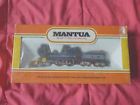
( Brand: Mantua ), ( Model: HO 307-73 ), ( Part Type: Ho ), ( Grading: C-9 Factory New-brand New ), ( Country/region Of Manufacture: United States )
Review MANTUA Metal Ho General Missouri Vintage Loco Nos Pacific
Introducing the 307-73 HO Scale General MOW Missourian Nos. PACIFIC Mantua Model Train, a must-have addition to any HO scale model railroad collection showcasing the rich history and intricate design of the Missouri-Pacific (MoPac) railroad.
The 307-73 HO Scale General MOW Missourian Nos. PACIFIC Mantua is a stunningly accurate representation of the freight trains that were once prominent on the Missouri Pacific Railroad. MoPac, also known as the "Mopper," was a Class I railroad that operated primarily in the Midwestern and Southwestern United States. It was one of the largest railroads in North America and is known for its iconic boxcars, gondolas, and hopper cars like the one we're showcasing today.
This HO scale model train car is produced by Mantua, a trusted and renowned brand in the model railroad industry. The 307-73 Missourian comes in an eye-catching paint scheme featuring black body with red lettering, a classic motif synonymous with MoPac. The car is well-known as a Missourian due to its distinctive red letters and black body, making it a staple for MoPac collectors and model railroad enthusiasts alike.
The model boasts intricate details and impressive craftsmanship that bring the real-life counterpart to life. This vehicle is designed with accurate dimensions and proportions, making it a perfect fit for other HO scale train sets and accessories. It features a smoothly operating coupler, allowing easy connection to other HO scale trains, and comes with authentic wheelsets that deliver smooth and quiet operation on any HO scale track.
The exterior of the model is adorned with crisp and vibrant graphics, including logos, numbers, and markings, painstakingly rendered to ensure the utmost accuracy and authenticity. The doors feature functional slide valves and can be opened to expose the lifelike interior.
However, this car isn't just about looks. Its interior is meticulously designed with accuracy and detail in mind. The interior is complete with well-represented details such as stirrup steps, proper loading surfaces, and planking on the floor. The withdrawal lever, air hoses, and other intricacies are all included, adding to the overall authenticity and realism of this wonderful model.
In conclusion, the 307-73 HO Scale General MOW Missourian Nos. PACIFIC Mantua model train car is an exceptional representation of the iconic freight trains that once graced the rails of the Missouri-Pacific Railroad. Packed with both visual appeal and authentic, intricate detailing, this model is an essential piece for any HO scale collector or model railroad enthusiast's collection. With its accuracy, craftsmanship, and striking appearance, this model is destined to become a cherished addition to any model railroad layout.
Pros and Cons of Buying a 1:87 Scale MOWAGE (307-73 HO Scale Mantua) NOS (New Old Stock) Missouri-Pacific Locomotive
Introduction:The Missouri-Pacific (MoPac) 307-73 is a well-known and highly detailed HO scale diesel locomotive produced by Mantua in the 1980s. For collectors and model railroad enthusiasts, this model offers a significant nostalgic value due to its intricate details and historical association. In this context, let's explore the pros and cons of investing in a 1:87 (HO) scale Mantua Missouri-Pacific (MoPac) 307-73 locomotive in New Old Stock (NOS) condition.
Pros:1. Historical significance: The 307-73 was a popular model produced during a significant era of model railroading history. Collecting this model adds value to any railroad collection, combining both historical and hobbyist appeal.
2. Detailed features: Mantua produced the 307-73 with excellent detailing, from its highly realistic paint scheme to intricate exterior and interior components. The model's NOS condition ensures that these features remain pristine.
3. Durability: Being a older model, it was built with robustness and longevity in mind. The model is quite sturdy, making it suitable for model railroads with rough track conditions.
4. Investment potential: As the demand for older, high-quality HO scale models increases, the 307-73 NOS can be a worthwhile investment, potentially appreciating in value over time.
Cons:1. Spare parts availability: As the model is older, the availability of spare parts for maintenance, repairs, or upgrades may be limited.
2. Compatibility with newer technology: The 307-73 may not be compatible with the latest digital command control systems, requiring manual operation or potentially requiring modifications to integrate with newer technology.
3. Cost: The value of NOS 307-73 locomotives can vary significantly depending on their condition and rarity, which can make them a costly investment for many railroad enthusiasts.
4. Limited functionality: Compared to modern models equipped with various features such as sound systems, the 307-73 is relatively basic. This might be a disadvantage for collectors seeking the most advanced model railroad technology.
Conclusion:The Missouri-Pacific 307-73 NOS from Mantua holds a unique place in HO scale model railroading history due to its excellent detailing, historical significance, and potential investment value. However, potential drawbacks such as limited spare parts availability, incompatibility with newer technology, and cost may deter some railroad enthusiasts. Therefore, before making a purchase, it's crucial to weigh these factors against your personal collection goals, budget, and preference for advanced technologies.
Recommendation:For those seeking an investment piece, the Missouri-Pacific 307-73 NOS could be an excellent addition to any HO scale collection. On the other hand, for enthusiasts looking for the latest model railroad technology and advanced features, a modern HO scale locomotive may be a better choice. Additionally, thorough research on the current market value, availability of spare parts, and operational compatibility with existing track and rolling stock is recommended as a pre-purchase consideration.
Details:
More to come in the future, including ho and Lionel. Still in sealed package today.
I am currently dismantling my collection of trains. Metal die cast. Bought in 1980.
part #: 30773 prices
- $24.00-$165.49
specifications ahmazhoscalemodelaz:
- brand: Mantua
- model: Ho 307-73
- part type: Ho
- grading: C-9 Factory New-brand New
- country/region of manufacture: United States
General:
- Toys & Hobbies > model Railroads & Trains > HO Scale > Mantua
- in stock: Yes
- condition: New
Returns:
- policy: no returns
Payments:
- PayPal
Offer:
- Started: December 30, 2014, 7:58 pm
- # Sold: 0
- best offer: false
- # bids: 0
- quantity: 11
Seller:
- city: Hamden, Connecticut
- zipcode: 06518
Shipping:
- cost: $12.65
- type: Calculated
- handling: 1 days
Mantua 307-73 Is Similar To:
- Vintage Parts Fe Diecast Tender 0-4-0 Ho Res Mantua Locomotive Santa (31.4% similar) This is a rare piece for those parts you just can't buy in the store. This is a vintage Mantua steam locomotive with a Santa Fe tender for parts or restoration...(January 5th, 2015)
- 99 0-4-0 Slope Mantua Pennsylvannia Prr Steam Heavy Tender Loco (19.1% similar) I would bet on it working. And has really good detail. This was in a box from the garage so it could use a good cleaning dusting. I don't know if the tender goes with this loco and I have no idea about features or pieces or parts so please. Please let pix tell you the condition story and I will ...(January 6th, 2015)
- Mantua Ho Vintage Santa Locomotive Diecast Fe Res 0-4-0 Parts Tender (24.3% similar) This is a rare piece for those parts you just can't buy in the store. This is a vintage Mantua steam locomotive with a Santa Fe tender for parts or restoration...(February 5th, 2015)
- 0-6-0 Mantua Big Switcher Loco Six Undec (33.9% similar) Lubed and ready for work. Nice Mantua steam big six switcher. Condition otherwise is like one shown. Has nice head light. Pictures are of an in one of my other offers. Loco is nice you won't be disappointed. The big six looks like the but the tender is missing the rear light,railings and has left ...(February 22nd, 2015)
- 0635 Lionel Vintage Mantua Tyco Ho Train Railroad Engine Penn Pennsylvania (23.3% similar) This listing is for: the vintage post-war Lionel locomotive as shown in pictures and listed title...(May 24th, 2018)
- 09020 Freight 2-6-0 Steam Union Ho Mib Mantua Scale Set Pacific (23.7% similar) Set does not include track or transformer. Set is in unused mint condition with its original boxes. Union pacific caboose and a box with telephone poles in road signs. Continental 48. Again, I will do my very best to resolve the issue and make you happy. Shipping handling, stated shipping handling ...(March 8th, 2015)
- 0911583400036 Mantua Ho Locomotive Vandy Pacific (36.7% similar) Mantua ho locomotive w Candy tender-southern pacific...(March 5th, 2018)
- 180373 Steel Vintage 734-31 Mantua Conrail Boxcar Heavies Complete Box (22.5% similar) Most items are complete and not broken. Most all of the kits cars listed look very good to good and complete with no broken or missing parts. Some boxes may be better than others,which means some boxes may have or show shelf ware, stickers, writing, stains, water damage, wrong boxes. Any questions, ...(January 4th, 2015)
- 2-6-0 Southrn Mantua Ho Pacific Engine 210 Weathered (27.4% similar) Engine has been sitting and on display only so it is also dusty it has JD couplets and was tested it runs but is sluggish included is a wood side southern pacific caboose number 667 also has JD couplets. Ho weathered southern pacific engine 210...(January 12th, 2015)
- Ho 2-8-2 Mantua Mikado Vintage (41.2% similar) The red embossed box which houses the engine is also in excellent condition. The vintage kit built Mantua ho mikado locomotive is boxed and in like new condition. The original owner of this kit built mikado did a superb job of assembling the die cast model as well as painting it. I did test run the ...(March 9th, 2015)
- Metal Nickel Road 2-8-4 Scale Berkshire Plate Ho 745 1 Mantua (15% similar) Best regards peter. I have inspected it. I have tested the locomotive and it is running intermittently requires cleaning and lubrication. Happy buying and good luck. It is in brand new condition. My shipping includes material and handling costs. I am selling one ho scale model Mantua metal kit...(March 4th, 2015)