HO 4226 Swift Reefer Repair
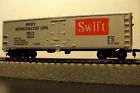
( Brand: Ho ), ( Manufacturer Part Number: 4226 ), ( Type: Reefer Car ), ( Color: Multi-color ), ( Material: Plastic ), ( Recommended Age Range: 13-101 ), ( Gender: Boys Girls ), ( State Of Assembly: Parts Or Repair ), ( Grading: C-2 Restoration Required ), ( Vehicle Type: Engine Shell ), ( Train Operating Company: Swift )
Review HO Swift Reefer Parts Repair
Hoist Lifter Swift Reefer 4226 Repair: Comprehensive Solution for Your Refrigerated Unit Lifting Needs
Introduction:The Hoist Lifter Swift Reefer 4226 is a versatile and efficient piece of equipment designed for lifting and transporting refrigerated units. This equipment is essential for logistics companies, cold storage facilities, and other businesses that frequently handle the movement of large refrigerated units. When your Hoist Lifter Swift Reefer 4226 experiences a malfunction or requires routine maintenance, prompt and professional repair services are critical to maintaining your operation's productivity. In this article, we will discuss the Hoist Lifter Swift Reefer 4226 repair process in detail.
Understanding the Components:Before diving into the repair process, it's vital to familiarize ourselves with the significant components of the Hoist Lifter Swift Reefer 4226. The system comprises the following primary components:
1. Hoist: The hoist is the lifting component of the system designed to lift the refrigerated unit using a chain or a rope. It includes a motor, a drum, and a cable assembly.
2. Trolley: The trolley assembly slides along the runway system and is responsible for moving the load horizontally when combined with the hoist's lift function.
3. Runway System: The runway system supports the trolley's weight and guides its movement along the length of the building.
4. Control System: The control system includes the operator console, the wiring harnesses, and the operational sensors that allow the user to manage the machine's functions.
Common Repair Scenarios: Several issues may arise with the Hoist Lifter Swift Reefer 4226, necessitating repair. Some of the most common issues include:1. Hoist Failure: Hoist failure can occur due to various reasons, such as motor burning or wearing down. When this happens, the hoist may not lift the load, or the lift may be inconsistent or erratic.
2. Trolley Dysfunction: If the trolley system fails, the refrigerated unit may not move horizontally, causing problems when maneuvering the unit in tight spaces.
3. Control Systems Malfunctions: Malfunctions in the control systems typically involve electrical or communication issues, leading to inaccurate readings or a complete loss of functionality.
Diagnosing the Problems:To ensure accurate and efficient repairs, it's essential to diagnose the problem correctly before initiating any repairs. Perform a visual inspection of the system and check for any obvious issues. When a more in-depth investigation is required, the following methods can help:
1. Hoist Issues: Use a multimeter to check the hoist motor's windings, armature, and stator winding continuity. Temperature and voltage readings can help determine if the motor is burning out. With a hoist tester, examine the wear on the cable and any sheaves for signs of damage like abrasion or stretch.
2. Trolley Dysfunction: Inspect the trolley system for damaged rollers or bolts. Use a voltage tester to check the trolley motor's wiring connections and functionality. Investigate any signs of excessive resistance or grounding issues that might impair the motor's performance.
3. Control System Malfunctions: Check wiring connections and continuity using a multimeter. Verify that the communication lines between devices are functioning correctly. Investigate the solenoid valves, limit switches, and vacuum breakers for any malfunctions.
The Repair Process:Repairs for the Hoist Lifter Swift Reefer 4226 will vary depending on the diagnosed issue. In many cases, minor repairs can be completed on-site. More complex issues may require professional service from a certified Hoist Lifter technician. Some repair tasks that can be carried out on-site may include:
1. Hoist Failure: Inspect and replace damaged or malfunctioning hoist components such as the motor, drum, or cable assembly.
2. Trolley Dysfunction: Replace damaged or worn rollers, worn out bearings, or out-of-alignment idlers. Repair or replace any damaged brake components as necessary.
3. Control Systems Malfunctions: Fault isolation, repair, or replacement of damaged electrical components such as wiring, sensors, fuses, solenoid valves, or indicating lights.
The Bottom Line:Hoist Lifter Swift Reefer 4226 repairs are a crucial aspect of maintaining a well-operating refrigerated unit handling system. Identifying problems early and addressing them with the correct tools and knowledge can save time, resources, and significantly improve overall efficiency. For large or complex repair projects, always consult a professional Hoist Lifter service provider to ensure a thorough and accurate repair.
Hoist Lifter Swift Reefer Model 4226 is a specialized piece of equipment used in the transportation industry, particularly for handling and maneuvering refrigerated containers. If you are considering buying a used Hoist Lifter Swift Reefer Model 4226, here are some pros and cons that could help you make an informed decision.
Pros:1. Enhanced Productivity: The Hoist Lifter Swift Reefer Model 4226 can handle multiple container lifts per hour, making it a valuable investment for businesses involved in the transportation and handling of a large volume of cargo.
2. Improved Safety: This equipment features a user-friendly design with multiple safety mechanisms, enabling safer handling of cargo compared to manual labor methods. It also minimizes the risk of damage to cargo during the loading and unloading process.
3. Versatility: The Hoist Lifter Swift Reefer Model 4226 is designed to work with different types of refrigerated containers, providing enhanced flexibility for businesses in the transportation industry.
4. Durable Construction: The Hoist Lifter Swift Reefer Model 4226 is built with high-quality materials and components, making it a reliable and long-lasting investment.
5. Time-Saving: The use of Hoist Lifter Swift Reefer Model 4226 can help save time by reducing the need for manual labor during the loading and unloading process.
Cons:1. High Upfront Cost: The Hoist Lifter Swift Reefer Model 4226 can be a significant investment upfront, with the cost depending on the condition and age of the used unit.
2. Maintenance and Operating Costs: Regular maintenance and replacement of parts may be required to ensure the unit continues to function optimally, resulting in additional costs over time.
3. Complexity: The operation of the Hoist Lifter Swift Reefer Model 4226 requires specialized knowledge and training, which may add to the overall cost of ownership.
4. Limited Maneuverability: Depending on the facility layout and available space, the Hoist Lifter Swift Reefer Model 4226 may not be suitable for certain handling applications.
Conclusion:The Hoist Lifter Swift Reefer Model 4226 offers several benefits for businesses involved in the transportation and handling of refrigerated cargo, including increased productivity, enhanced safety, versatility, durability, and time-saving capabilities. However, upfront and ongoing costs, complexity, and limited maneuverability may be drawbacks for some potential buyers. Careful consideration of these factors, along with the specific needs and resources of your business, should help you make an informed decision about whether investing in a used Hoist Lifter Swift Reefer Model 4226 is the right choice for you.
Recommendation:For businesses dealing with a high volume of refrigerated cargo, the Hoist Lifter Swift Reefer Model 4226 can be a valuable investment, particularly if safety, productivity, and efficiency are top priorities. However, it is essential to consider the upfront and ongoing costs and ensure that your facility layout and operational requirements are suitable for the equipment's use. Carefully researching the condition and pricing of used units, as well as the availability of training and maintenance services, can also help mitigate potential concerns and make the most of your investment in this specialized piece of equipment.
Details:
I back all sell on. Kits or rail cars that have problems are in the fix repair section store. I will even pay to ship on all Ho train items. All kits or ready to run rail cars, come with, unless stated, the following, complete car, under frame and trucks wheels couplets.
Dennis from the store.
If an item fails final inspection the will not be shipped and buyer notified. Send back the item in condition that it was sold to you. All new or used items and boxes are checked for packaging parts. Again have a great day.
Have a problem with anything I sell. All new kits come complete unless stated.
specifications ahmazhoscalemodelaz:
- brand: Ho
- mpn: 4226
- type: Reefer Car
- color: Multi-color
- material: Plastic
- recommended age range: 13-101
- gender: Boys Girls
- state of assembly: Parts Or Repair
- grading: C-2 Restoration Required
- vehicle type: Engine Shell
- train operating company: Swift
Shipping ahmazHoscale model az:
- type: Calculated
- handling: 1 days
- cost: $3.48
Returns ahmazHoscale model az:
- time: 30 Days
- type: Money Back
- paid by: Seller
- details: Restocking fee: No
- policy: returns accepted
Payments ahmazHoscale model az:
- PayPal
General ahmazHoscale model az:
- condition: Used
- in stock: Yes
- toys Hobbies > model railroads trains > Ho scale > ahm toys Hobbies > rivarossi ahm model railroads trains
Seller ahmazHoscale model az:
- zipcode: 35085
- city: Jemison, Alabama
Offer ahmazHoscale model az:
- best offer: false
- Started: December 11, 2017, 3:47 am
- quantity: 1
- bids: 0
- min. bid: $7.00
- Sold: 0
Ratings:
- Super packaging and fast delivery. Thanks! 12-09-17
- John English Yardbird frame. Perfect condition. Quick shipping. Thanks a lot!! 12-09-17
- Fast Shipping Great item will buy from again 12-10-17
- Excellent to deal with. Lightning fast shipping.Highly recommend this seller. 12-09-17
- Item as described,fast shipping,very satisfied,thanks alot 12-08-17
Ho 4226 Is Similar To:
- 26269 26269 Unknown Ho American Refrigerator (60.8% similar) A little more cleaning is needed but looks good as it sits. I back all sell on. All new or used items and boxes are checked for packaging parts. How old is it I don't know, or where originally came from do not know either. All new kits come complete unless stated. The car has missing step, I have ...(January 3rd, 2018)
- Vintage Parts Fe Diecast Tender 0-4-0 Ho Res Mantua Locomotive Santa (17.6% similar) This is a rare piece for those parts you just can't buy in the store. This is a vintage manta steam locomotive with a Santa fe tender for parts or restoration...(January 5th, 2015)
- Mantua Ho Vintage Santa Locomotive Diecast Fe Res 0-4-0 Parts Tender (25.5% similar) This is a rare piece for those parts you just can't buy in the store. This is a vintage manta steam locomotive with a Santa fe tender for parts or restoration...(February 5th, 2015)
- Steam Parts Sf Rivarossi Ho Repair Engine 0-8-0 Vintage (24.7% similar) ...(January 10th, 2015)
- 0561 Unknown Ho Tidewater Electric (50% similar) All new or used items and boxes are checked for packaging parts. I will even pay to ship on all Ho train items. If an item fails final inspection the will not be shipped and buyer notified. Send back the item in condition that it was sold to you. Have a problem with anything I sell. I back all sell ...(December 23rd, 2017)
- 1-125240 Bowser Trolley Kit Bachmann Project Or Parts Ho Scale (27.1% similar) First is browser trolley kit. These would make good projects or parts sources for other. It is made out metal both body and frame. Also there is a bushman trolley it has plastic body powered but not been tested. Comes with the box, directions, and some small extra parts. It is green with a red roof...(October 28th, 2018)
- Wood Reefer Mantua 11160 Car Custom Ho Box Scale Wrx Side Kraft Weathered (16.8% similar) Feel free to with any questions. Missing brake wheel. Great used condition. See pictures. Measures just over long. The previous owner sprayed it with dark paint to give it a weathered look. Cool custom weathered box car. Steps, couplets and axes are all intact...(February 1st, 2015)
- 13-14 Bowser Ho Scale Diesel Body Missing Parts (32.1% similar) Ho scale browser diesel body E-7A missing parts...(February 2nd, 2019)
- Cold Reefer Weathered 57 Ho 13381 Nrdx Train Imrc Custom Mech (16.5% similar) This model was only taken out of its box to be weathered and photographed. This rare custom weathered NRC cold train has a satin clear coat to last for years to come. Please view all the photos above. Inter mountain railway co. Has some of the best detail in the market. Features sharp painting and ...(January 27th, 2015)
- 1602 Monogram Ho Big Boy Locomotive Kit Parts Still Sealed (28.3% similar) Happy buying. Any problems, for quick and fair resolve before contacting. Parts still sealed in bags. Please see photos and let them be your best. If it isn in the photos is not included. Zoom in to check item very carefully. As is shown...(September 21st, 2018)
- 1630 Athearn Ho Scale Feet Mechanical Reefer Santa Fe (36.8% similar) Message for any questions. Athens Ho scale feet mechanical reefer Santa fe 1630 nice locomotive in very good condition but maybe missing some details. Please see pictures. Mpn: Athens Santa fe 50-FT mechanical reefer 1630...(November 30th, 2018)